
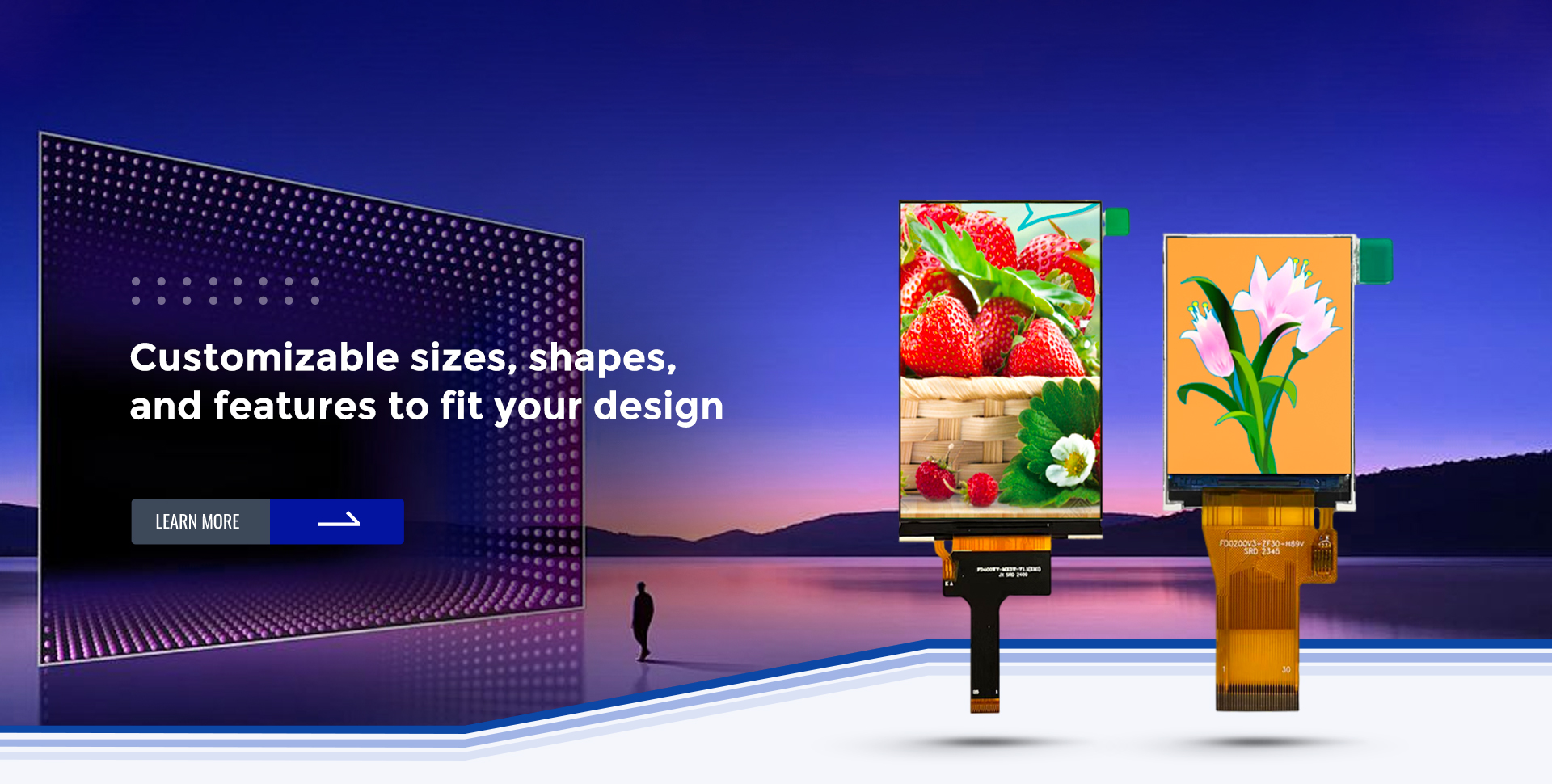
In the rapidly evolving landscape of display technology, staying abreast of global trends is no longer a choice but a strategic necessity. As international trade shows and industrial exhibitions conclude their latest cycles, the shift toward higher precision, enhanced durability, and deep customization has become evident. For any OEM Industrial LCD Monitor Manufacturer, understanding these shifts is the key to aligning production capabilities with the sophisticated demands of the modern market. From the rise of smart manufacturing to the integration of medical-grade clarity in compact screens, the industry is witnessing a transition where standardized solutions are giving way to application-specific engineering.
The New Standard of Precision in Industrial Displays
Recent exhibitions have highlighted a significant move toward small and medium-sized high-definition interfaces. While large-format screens often dominate the consumer market, the industrial sector is demanding more power within smaller footprints. Shenzhen Giant Photoelectric Technology Co., Ltd., founded in 2014, has positioned itself at the center of this trend. By focusing on the research, development, and design of small to medium-sized LCD screens, the company mirrors the industry’s trajectory toward high-precision display solutions.
The modern industrial environment requires displays that can do more than just show data; they must facilitate complex Human-Machine Interface (HMI) interactions. As an established Industrial LCD Monitor Factory, the emphasis has shifted from simple assembly to differentiated product design. This involves optimizing pixel density and color accuracy to ensure that operators in critical environments—such as power grid monitoring or automated assembly lines—can make split-second decisions based on crystal-clear visual feedback.
Deep Customization: Moving Beyond Off-the-Shelf Solutions
One of the most prominent themes at recent industrial expos is the decline of “one-size-fits-all” hardware. Global customers are increasingly seeking partners who offer in-depth customized services. This customization extends beyond mere branding; it involves structural adjustments, interface modifications (such as RGB, MIPI, or LVDS), and specialized backlight enhancements for varying light conditions.
For an OEM partner, the ability to provide tailored solutions is a core competitive advantage. Whether it is adjusting the thickness of a capacitive touch panel for a smart home hub or engineering a ruggedized housing for an automotive diagnostic tool, the flexibility of the production line defines the value of the manufacturer. This service-oriented approach allows companies to bridge the gap between a conceptual electronic design and a market-ready industrial product.
Application Diversity: From Smart Homes to Medical Fields
The versatility of current LCD technology is perhaps best demonstrated by its wide array of application scenarios. Industrial-grade screens are no longer confined to factory floors. They are now integral components in:
Smart Home Systems: Requiring sleek aesthetics combined with 24/7 operational reliability.
Medical Equipment: Demanding high contrast and longevity to meet strict healthcare certifications.
Automotive Electronics: Needing wide temperature tolerance and vibration resistance.
Consumer Electronics: Where high-performance displays must meet ergonomic design standards.
Each of these fields brings a unique set of challenges. For instance, medical displays must maintain consistent brightness over years of use, while automotive screens must remain legible under direct sunlight and functional in sub-zero temperatures. Manufacturers that can navigate these diverse requirements effectively demonstrate a profound understanding of material science and electronic engineering.
Reliability and the 10-Year Supply Cycle
A recurring concern voiced by procurement specialists at recent trade fairs is the “longevity of supply.” Unlike the consumer electronics market, where products are refreshed annually, industrial projects often have lifecycles spanning a decade or more. Reliability is not just about the product’s durability in harsh environments—it is also about the manufacturer’s ability to provide the exact same module for years to come.
An Industrial LCD Monitor Factory must therefore implement rigorous quality control systems and long-term component sourcing strategies. This ensures that a medical device manufacturer or an industrial automation firm can rely on a stable supply chain without the constant threat of “End of Life” (EOL) notices. This stability is the foundation of trust in international B2B relationships.
Technological Convergence and Future Outlook
Looking ahead, the integration of touch technology with LCD modules continues to be a focal point. The transition from resistive to multi-point capacitive touch is nearly complete in most high-end industrial sectors. Furthermore, the development of “optical bonding” technology—which eliminates the air gap between the LCD and the cover glass—is becoming a standard request to improve optical performance and ruggedness.
As the industry moves toward Industry 4.0, the role of the display becomes even more critical. It is the primary window into the data-driven world of IoT. The latest trends suggest that the future belongs to those who can combine high-performance hardware with the agility to adapt to specific, often niche, industrial requirements.
The global display market is currently defined by a move toward specialization. For businesses seeking to integrate high-quality visual interfaces into their products, the choice of a manufacturing partner involves evaluating technical expertise, customization depth, and a proven track record across multiple demanding sectors. By staying aligned with the innovations showcased at the latest expos, companies can ensure their hardware remains relevant in an increasingly digital world.
To learn more about high-precision display solutions and customized LCD modules, visit: https://www.allvision-lcd.com/
Post time: Mar-02-2026